Co-ops vs. Condos: Everything Westchester & NYC Buyers Need to Know
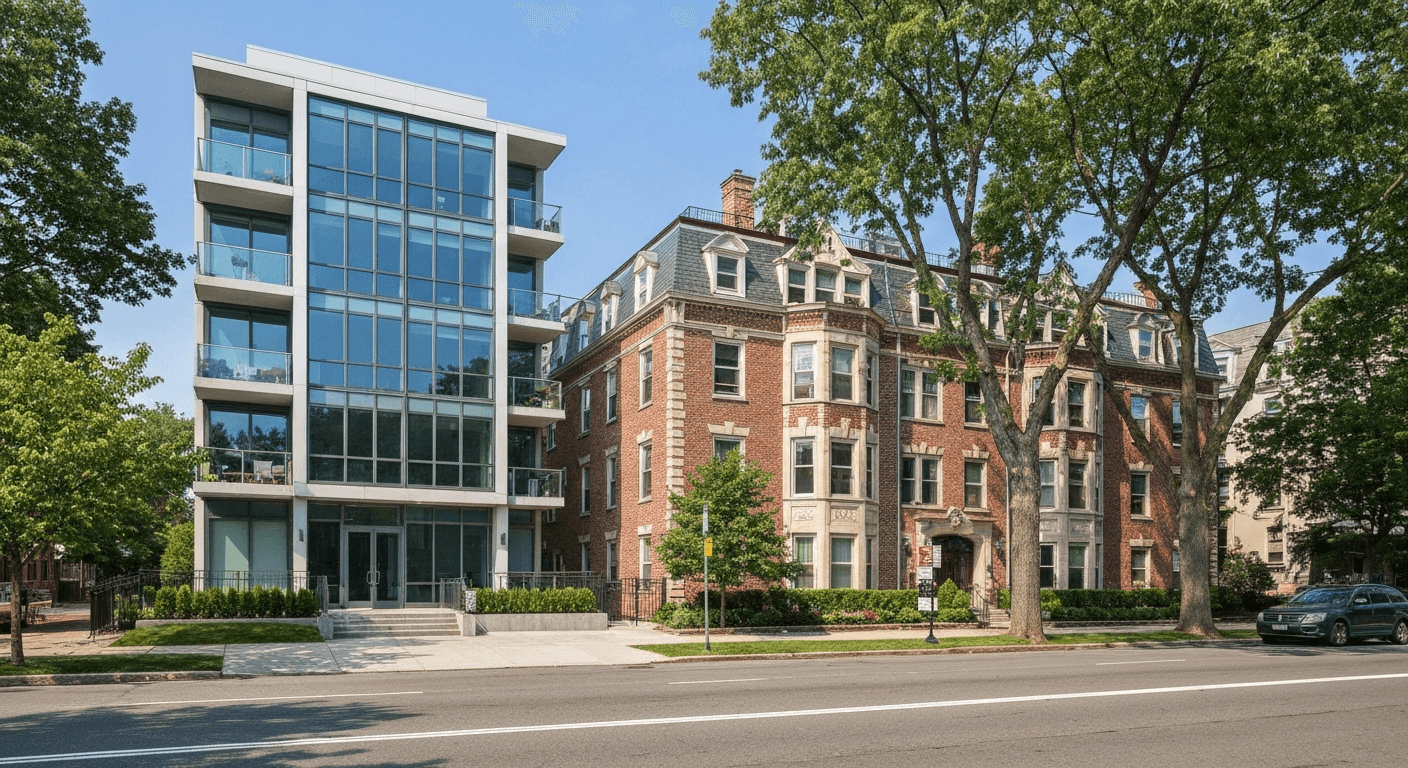
When you're searching for a home in Westchester County or New York City, one question will come up over and over again: co-op or condo? It sounds like a simple choice, but the differences between these two ownership structures can affect everything — your mortgage options, your monthly costs, your ability to rent out the unit, and even whether a board of strangers can reject your purchase. Understanding these distinctions before you start touring properties can save you months of frustration and thousands of dollars.
What Is a Co-op?
A cooperative apartment — or co-op — is not real property in the traditional sense. When you buy a co-op, you're not buying a physical unit. You're purchasing shares in a corporation that owns the entire building. Those shares come with a proprietary lease that gives you the right to occupy a specific apartment. In Westchester and NYC, co-ops dominate the older, pre-war residential stock. Think of the grand doorman buildings along Palmer Avenue in Larchmont, or the established co-op complexes near Bronxville's train station, or the iconic pre-war towers throughout Manhattan's Upper West Side and Riverdale in the Bronx.
Because you own shares — not real estate — co-ops come with a governing board that has broad authority over who can buy in the building. Board approval is not a formality. Boards in competitive buildings like those in Scarsdale's Heathcote section or in Riverdale typically require extensive financial documentation: two years of tax returns, bank statements, reference letters, and sometimes a face-to-face interview. Debt-to-income ratios are scrutinized. Post-closing liquidity requirements — often 12 to 24 months of maintenance — must be met. And the board can say no without explanation.
What Is a Condo?
A condominium is true real property. You own your specific unit outright, along with an undivided interest in the building's common areas. Condos appear on a deed, can be financed with a conventional mortgage like any single-family home, and do not require board approval of buyers. In Westchester, newer condo developments have emerged across White Plains (especially near Mamaroneck Avenue and the new construction along City Center), Port Chester, and New Rochelle's growing downtown corridor near Echo Bay. In NYC, luxury condos dominate new construction — from Long Island City's waterfront towers to Upper East Side full-service buildings.
Condo boards have a right of first refusal, meaning they can theoretically match a buyer's offer and purchase the unit themselves, but they virtually never do. The practical result: buying a condo is significantly faster and less stressful than buying a co-op.
The Price Gap Is Real
Here's where buyers often get surprised: co-ops are generally 20 to 30 percent cheaper per square foot than comparable condos. A 2-bedroom co-op in a doorman building in Bronxville or in Riverdale might list at $325,000–$450,000. A similarly sized condo in the same town could easily run $475,000–$650,000. In Manhattan, the gap is even wider — a 1-bedroom co-op on the Upper West Side might be $600,000 while a comparable condo is $850,000+.
Why the gap? Because condos offer more freedom — subletting flexibility, no board rejection risk, easier financing — buyers pay a premium for that flexibility. Co-op boards restrict supply by limiting who can buy, which also creates a more stable (if less liquid) market.
Monthly Costs: Maintenance vs. Common Charges
Co-op owners pay monthly maintenance fees that typically include their share of the building's property taxes, the underlying mortgage on the building, and all operating expenses. In many Westchester co-ops, this can run $800–$1,800/month on a 2-bedroom. Here's the key: a portion of that maintenance is tax-deductible (the part allocated to property taxes and the building's mortgage interest), which partially offsets the cost. Always ask for the maintenance breakdown and the percentage that's deductible.
Condo owners pay common charges (covering building operations and amenities) plus their own property taxes separately. In White Plains, a 2-bedroom condo in a newer building might carry $600–$900/month in common charges plus $800–$1,200/year in property taxes. The all-in carrying costs can be comparable to a co-op once you add them up — don't assume condos are automatically cheaper to own.
Financing Differences
Financing a condo is straightforward — it's treated like any other real estate purchase. You get a conventional mortgage, FHA loans are sometimes available on smaller buildings, and the process mirrors buying a house.
Financing a co-op is more complicated. Many co-op buildings in Westchester have flip tax provisions and sublet restrictions that can complicate financing. Lenders look at the co-op's financials as well as yours — buildings with high percentage of renters, large underlying mortgages, or thin reserve funds can be very difficult to finance. Additionally, many co-ops require buyers to put down 20–30% or more. Some established co-ops near Tuckahoe or Eastchester require 50% down. Make sure your lender has experience with co-op transactions before you start making offers.
Subletting: The Big Freedom Question
If there's any chance you might rent out your unit in the future — whether for a year abroad, a relocation for work, or as an investment strategy — this difference is critical.
Condos allow subletting freely, subject only to lease registration and standard landlord-tenant rules. Many investors buy condos specifically because of this flexibility.
Co-ops typically have strict sublet policies. Common rules: you must own for 2–3 years before you can sublet, sublets are limited to 1–2 years out of any 5-year window, and the board must approve any tenant. Some co-ops in Westchester ban subletting outright. If you're buying as a pure investment or want maximum flexibility, co-ops are generally not the right vehicle.
Which Is Right for You?
Choose a co-op if: You want the lowest purchase price, you plan to stay long-term, you have strong financials and can pass board scrutiny, and you don't need subletting flexibility. Co-ops in Westchester towns like Bronxville, Larchmont, and Mamaroneck offer exceptional value in beautifully maintained buildings near Metro-North.
Choose a condo if: You want maximum ownership control, you might relocate or sublet, you're an investor, or you want easier financing and a faster closing process. New Rochelle, Port Chester, and White Plains have excellent new condo inventory at competitive prices.
Work With Someone Who Knows Both
The biggest mistake buyers make is falling in love with a specific unit without understanding the ownership structure attached to it. A beautiful apartment with a deal-breaking co-op board policy, a building in financial distress, or maintenance fees that make the true monthly cost unworkable — these are things an experienced buyer's agent catches early and saves you from.
As an Associate Broker with deep roots in Westchester County and NYC markets, I help buyers navigate co-op board packages, evaluate building financials, and find the ownership structure that actually matches their life. Whether you're targeting Bronxville, White Plains, Riverdale, or anywhere in between, let's talk before you start your search.
Ready to find the right home — co-op or condo? Contact Farva Scott, Associate Broker at The Real Brokerage, at farvascott.com or call (914) 417-9215. Your questions deserve straight answers, not sales pitches.